



FH is an inherited condition that causes very high cholesterol levels, often from a young age. It is sometimes mistaken for regular high cholesterol, but it is more serious and requires different management.
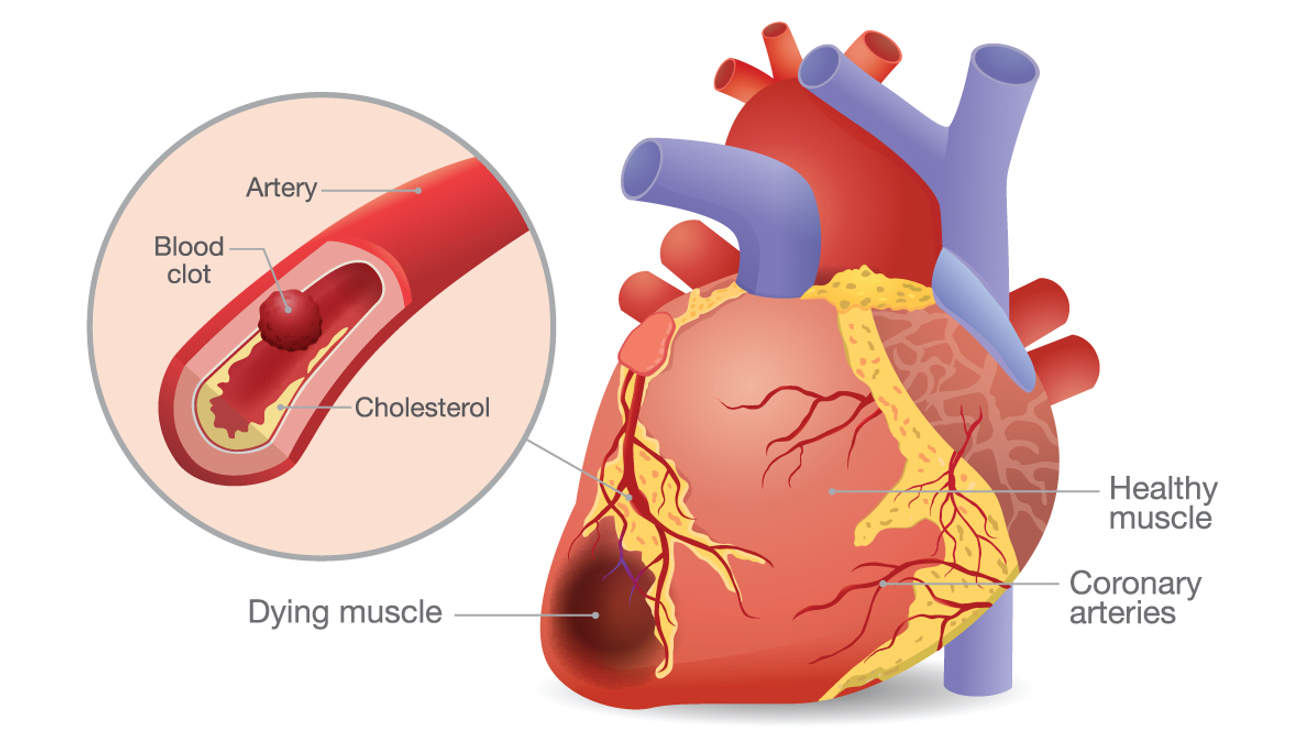
Without proper treatment, it significantly increases the risk of early heart disease.
FH is more common than many people think. In Australia, around 1 in 250 people may have FH, but most are unaware they have it.
Genetic testing can help:
Our test analyses 9 genes, although most cases are related to three key genes: LDLR, APOB and PCSK9.
Because FH is inherited, there is a 50% chance it can be passed on to close family members.
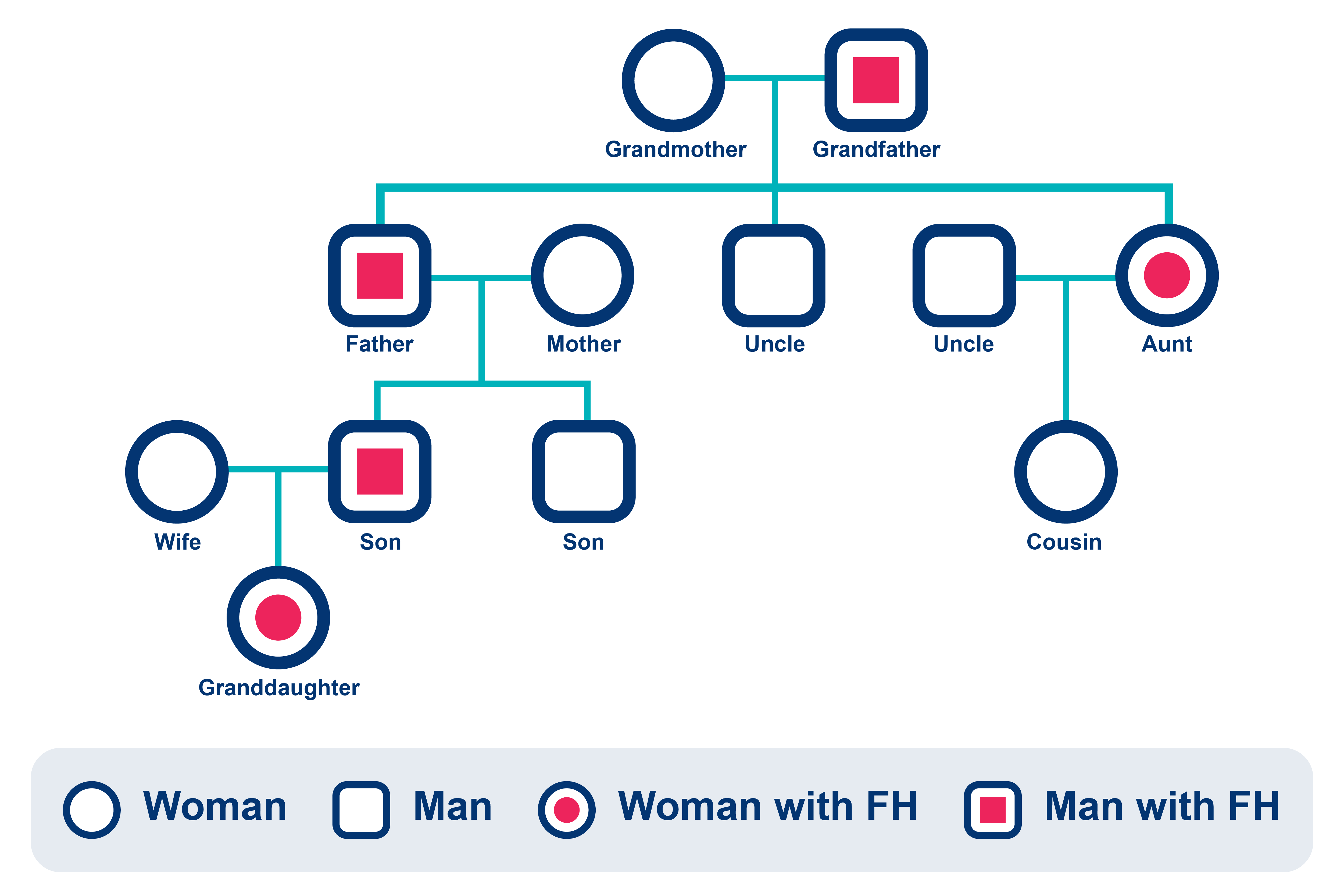
FH often has no obvious symptoms, especially in the early stages. Many people only discover it through testing — particularly if there is a family history.
If a genetic cause is identified, your doctor can recommend a personalised plan, including treatment and ongoing monitoring.
If no genetic change is found, your care doesn’t stop there. Doctors also use clinical tools, such as the Dutch Lipid Clinic Network (DLCN), which looks at your cholesterol levels and medical history to guide care.
Genetic testing can also help family members better understand their own risk. If a relative is found to have a genetic variant, eligible family members can be referred by a GP or specialist for targeted (single gene) testing. In most cases, this testing is covered by Medicare.
The good news is that FH can be managed. With early diagnosis and the right treatment, you can significantly reduce your risk and live a healthy life.